HTTP
💡
✈️HTTP
HyperText Transfer Protocol
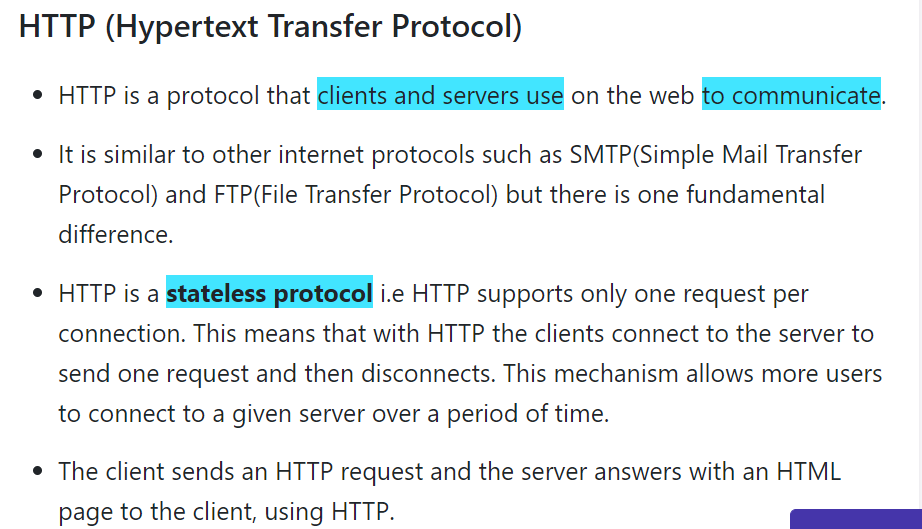
- is the set of rules for transferring files — such as text, images, sound, video, and other multimedia files -- over the web.
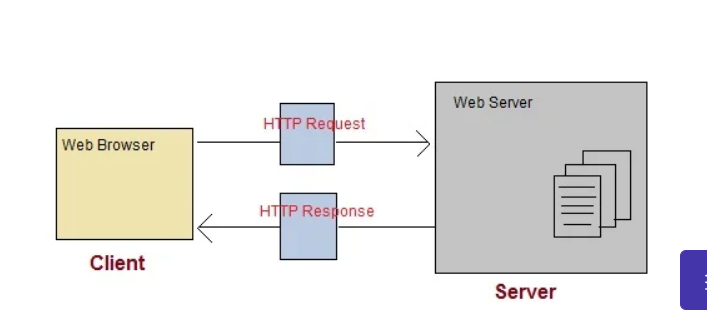
- <request, response> pairs
- is a stateless protocol:
- after the response is delivered to the client → unconnect → the server no longer stores the request anymore.
- the store information of other side is the work of client, not server.
- HTTP Methods
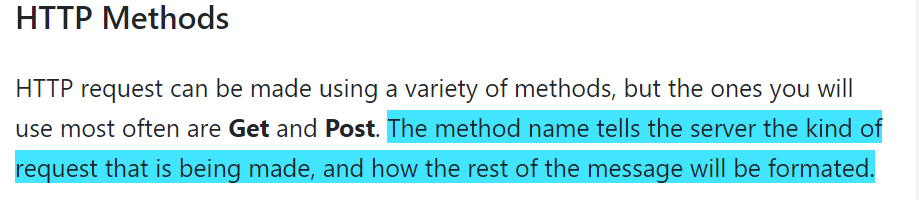
Basic: GET, POST
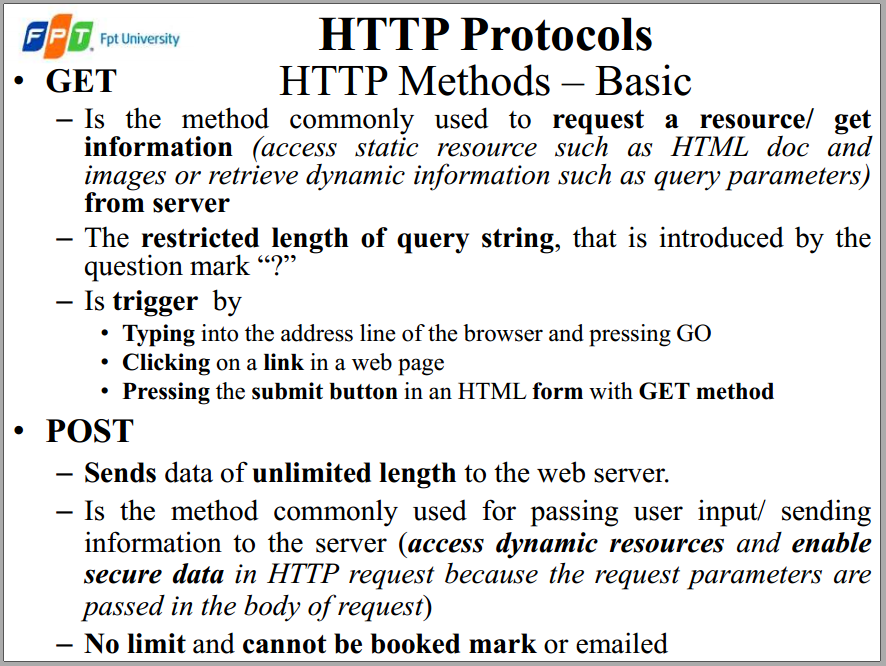
GET & POST
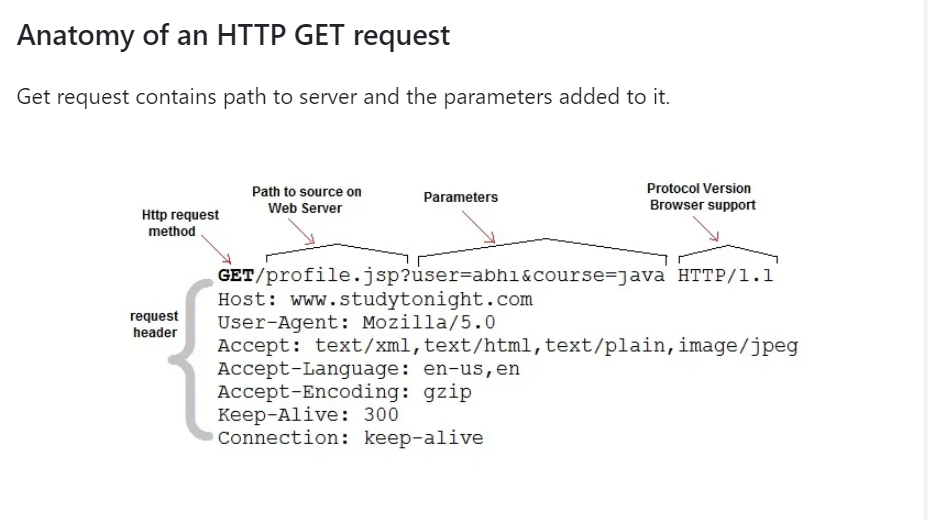
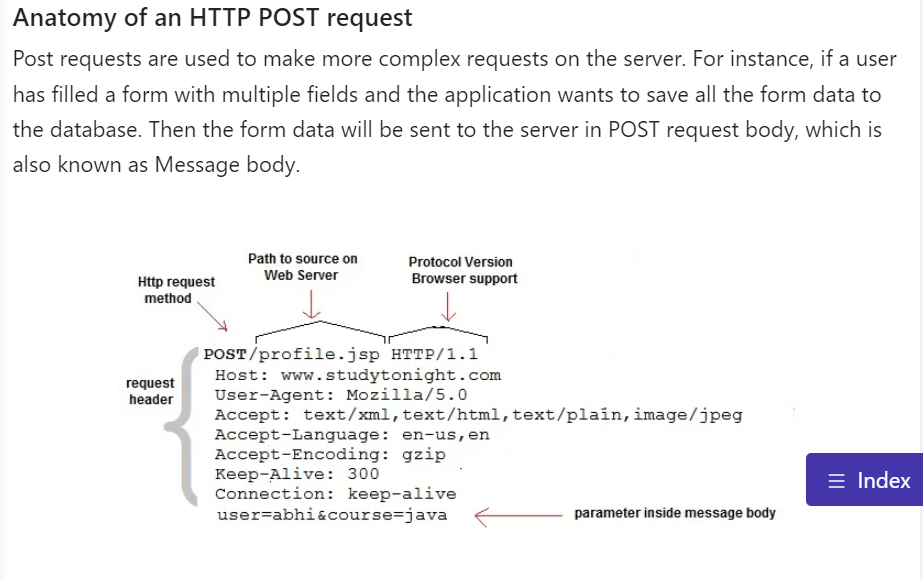
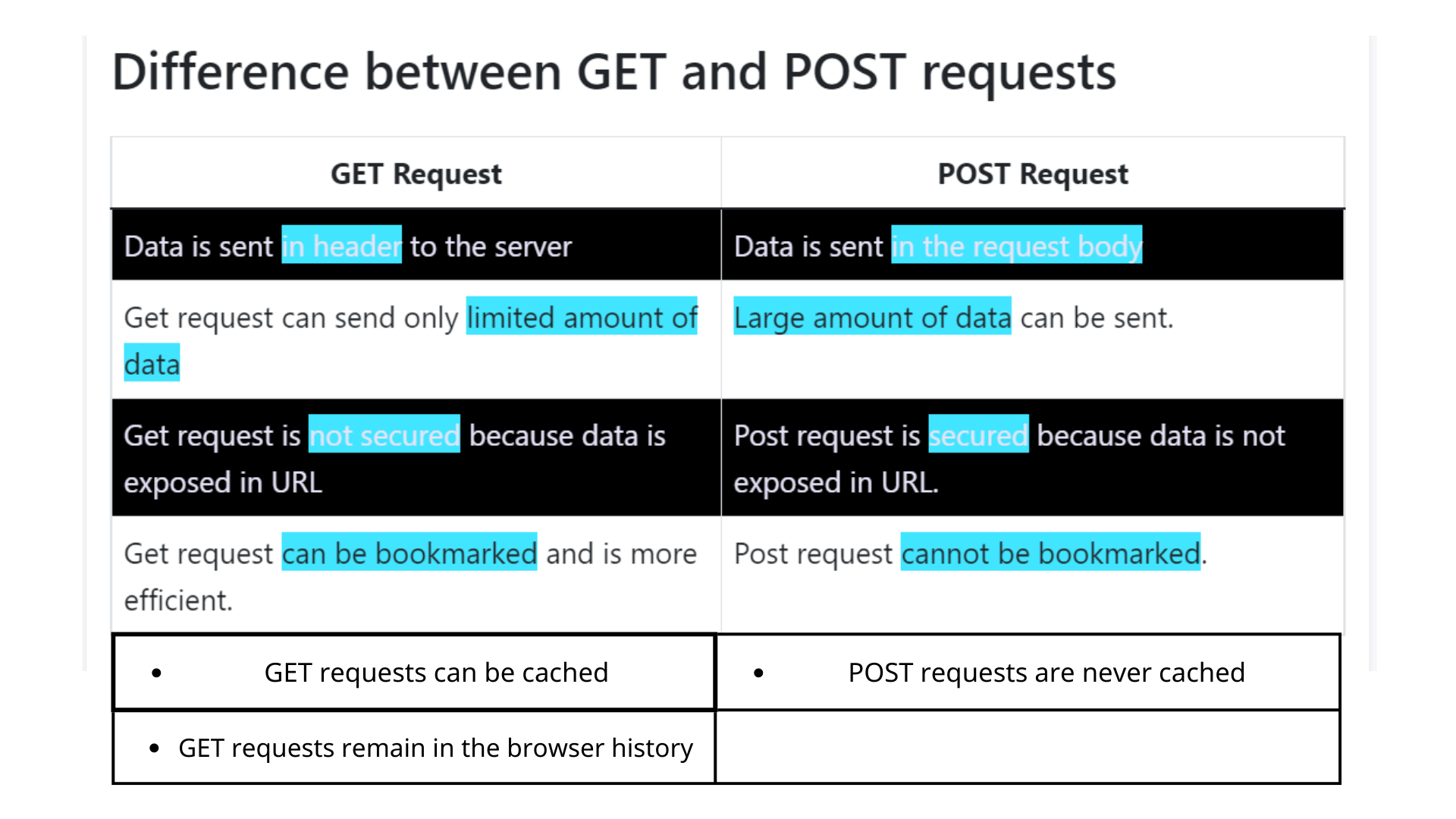
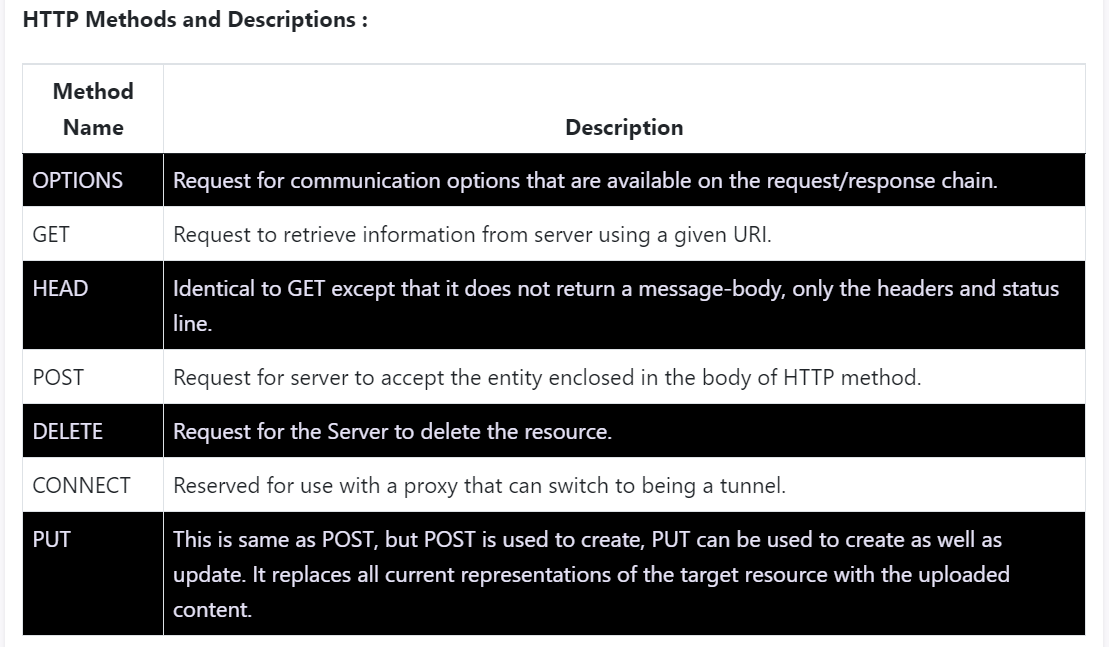
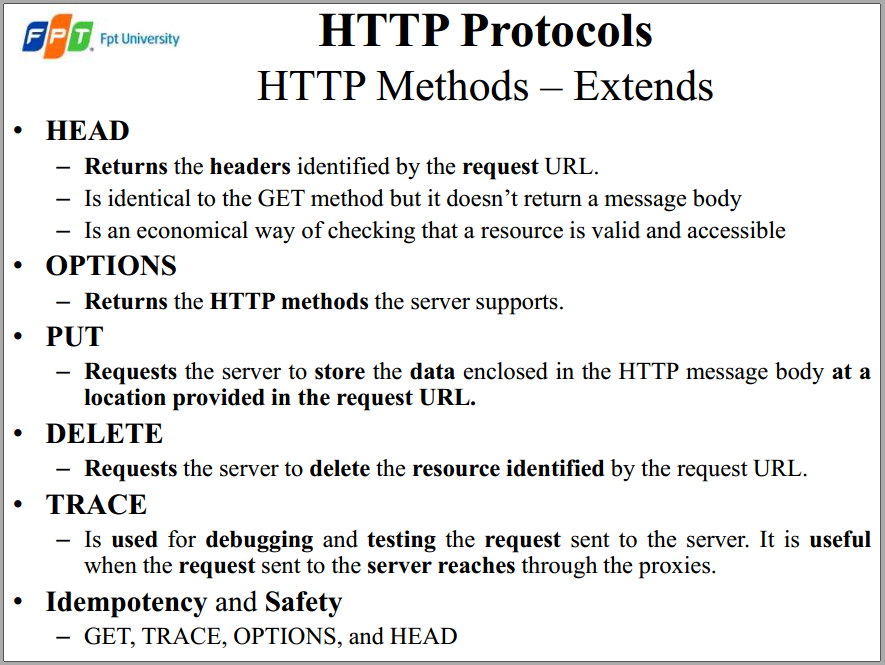
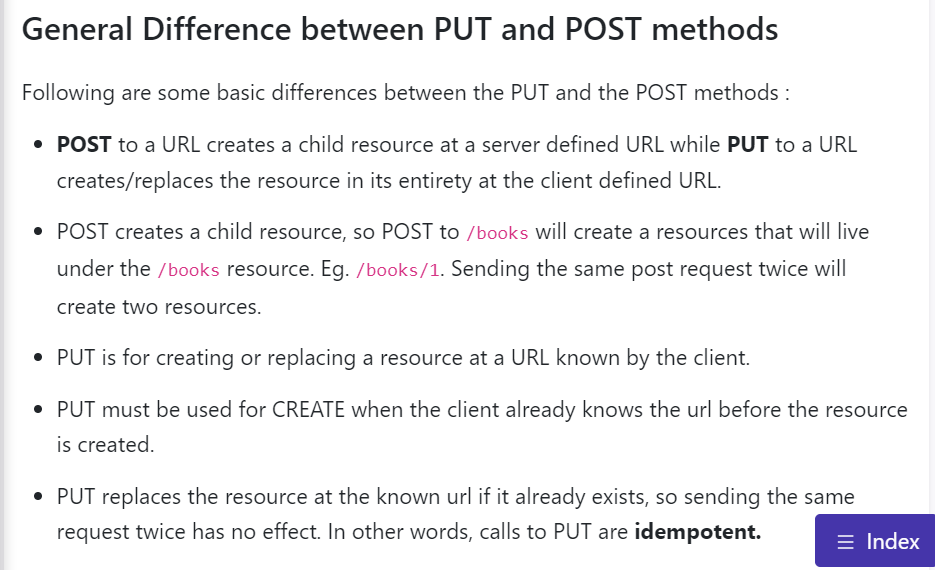
Extends: HEAD, OPTIONS, PUT, DELETE, TRACE

💡
Request Message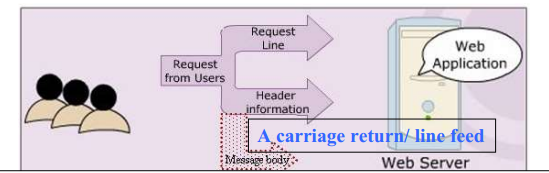
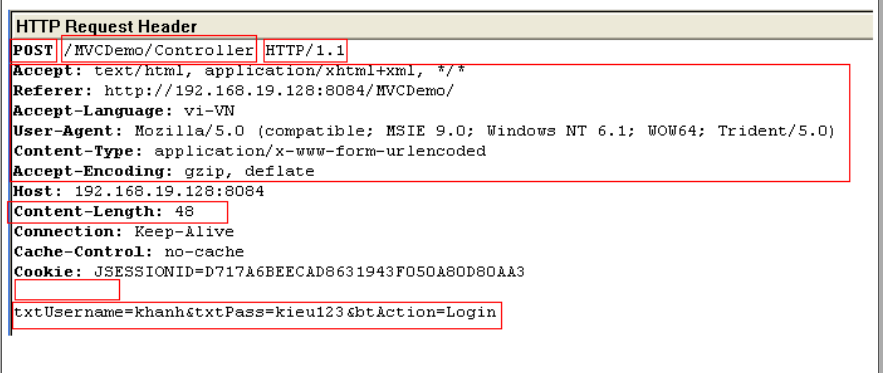
- Request line:
HTTP methodURIHTTP/1.1
Header information:
- name:value form provide information from the client like user-agent, accept (for media types), referer (URL that request target to), content-length,…
Message body: (optional)
- take an enter space/carriage return/line feed to separate with header
- pretty much anything (a set of parameters and values, an image file intending to upload)
- is optional depending on the method
💡
Response Message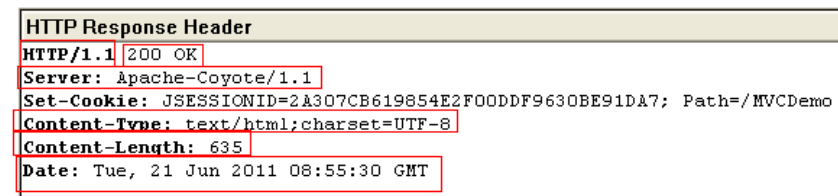
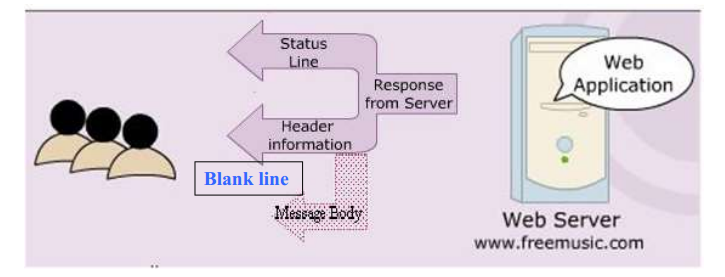
- Status line:
HTTP/1.1Response CodeStatus Massage
- Header Information:
- name:value form provide information from the server like
- server: JavaWebServer
- Last-modified: Tuesday, 24-Mar-09 8:30:34 GMT
- content-length: 100
- tính bằng bytes.
- cơ sở để dựa vào khi tiến hành/dừng đọc dữ liệu.
- content type: text/plain
- browser xác định type và lựa chọn cách hiển thị phù hợp.
- name:value form provide information from the server like
- Message Body (optional)
💡
HTTP Code: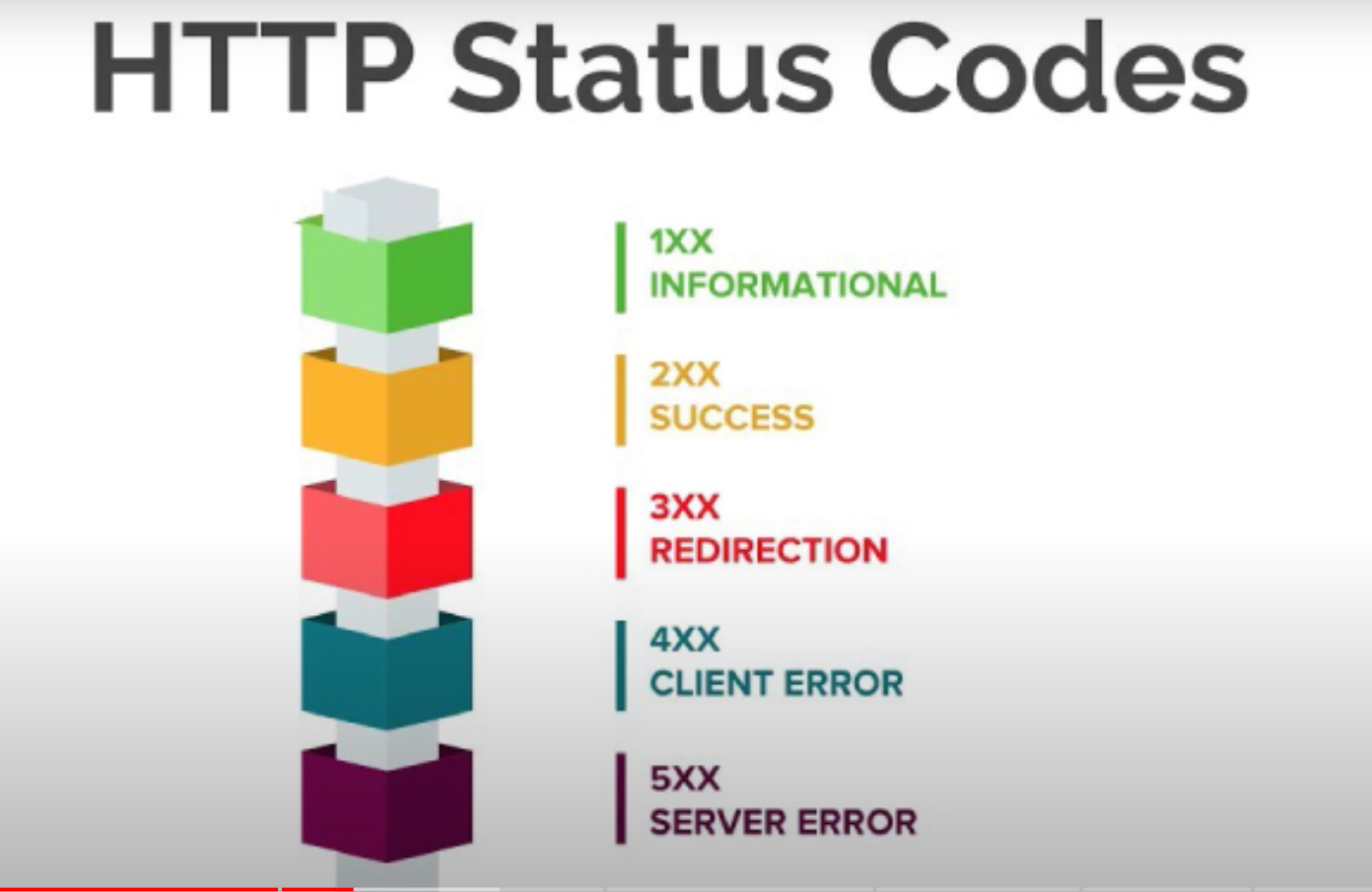
💡